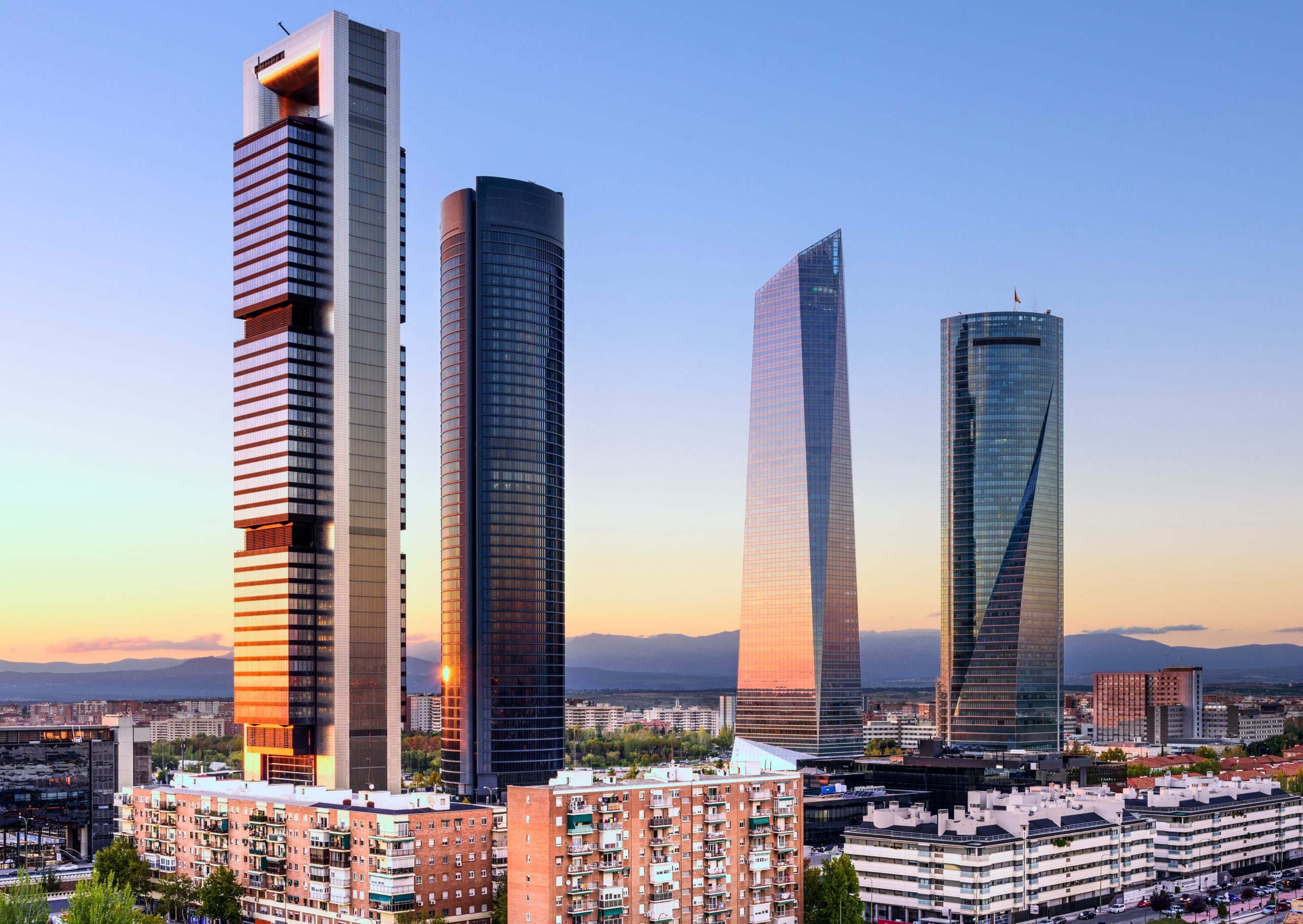
Spain’s rental housing market began the year with strong upward momentum. According to the latest data available, average rents rose 8.1% year-on-year in January, reaching €15 per square meter nationwide. Prices also increased 3.4% over the past three months and 1.7% month-on-month, confirming sustained pressure across the market.
Increases Across Capitals, Provinces, and Regions
Rental growth was widespread across Spain’s provincial capitals. The sharpest annual increases were recorded in Soria (15.1%), Ciudad Real (13.5%), Lleida (13.2%), Burgos (12.4%), and Zamora (12.1%).
Major urban markets also saw notable rises, including Madrid (9.9%), Alicante (8.9%), Valencia (8.7%), Palma (7.7%), Seville (6.2%), and Málaga (5.6%). Despite its relatively modest growth, Barcelona remains Spain’s most expensive capital, with average rents of €24/m², followed closely by Madrid (€23.1/m²) and San Sebastián (€18.5/m²). At the provincial level, rents increased in 49 out of 50 provinces.
All autonomous communities recorded annual increases. Valencia and Castilla-La Mancha (both +11.1%) led the growth, followed by Madrid and Aragón (10.5%). Catalonia posted the smallest increase nationwide at 1.5%, well below the national average. In terms of prices, Madrid, the Balearic Islands, and Catalonia remain the most expensive regions to rent.
Barcelona: Slower Growth Amid Expanding Regulation
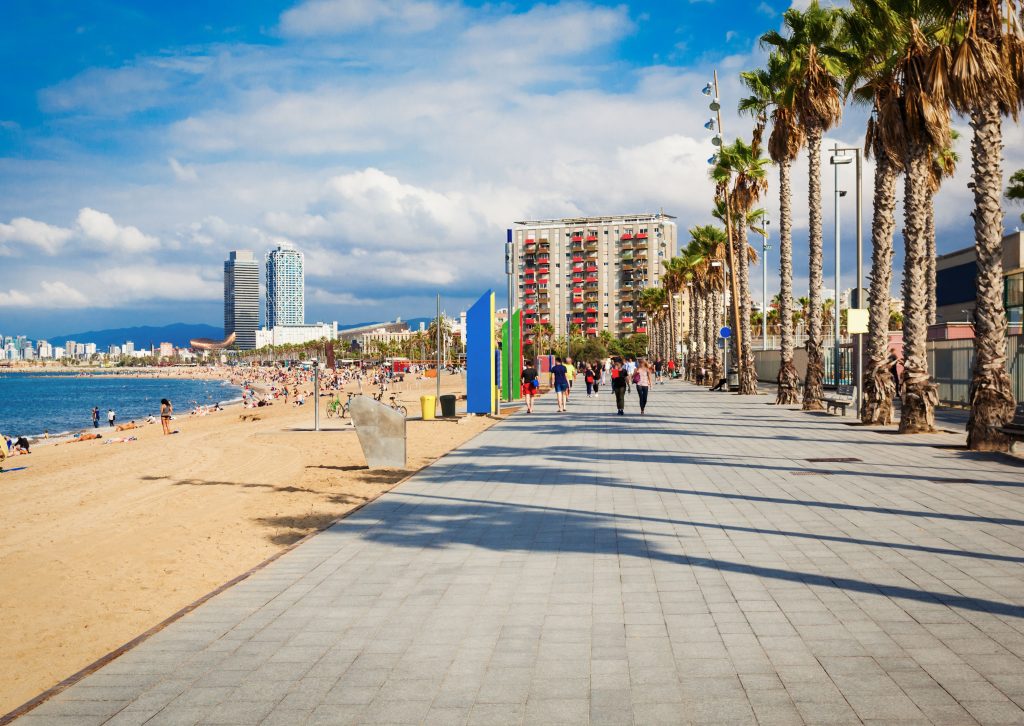
While rents continue to rise across Spain, Barcelona stands out for its relative stabilization, largely due to expanding rent controls. Housing has become the city’s top social concern. By late 2025, rent caps in Catalonia were extended to room rentals and short-term contracts, and the Catalan Parliament has since urged the regional government to enforce sanctions under the housing law. Price controls now apply in Barcelona and more than 270 municipalities, covering roughly 90% of Catalonia’s population.
Market experts remain divided. Economist Gonzalo Bernardos (University of Barcelona) argues that current policies are worsening the crisis by discouraging supply, while Òscar Gorgues, head of the Barcelona Property Owners’ Association, notes that individual landlords account for 96% of owners and 90% of the city’s housing stock, challenging the focus on large property holders. Concerns over legal uncertainty and non-payment risk are prompting many small landlords to exit the market.
Barcelona’s average rent stands at €23.12/m², 1.4% higher than a year ago but slightly down quarter-on-quarter. Analysts attribute this stabilization to affordability limits, as tenants already allocate nearly 40% of net income to rent. However, supply has tightened significantly: more than 11,500 rental homes have disappeared from the provincial market since the introduction of caps.
District-Level Differences
Within the city, disparities remain pronounced. Gràcia is the most expensive district at €24.49/m², with rents up 5.1% annually. Eixample, the city’s most populous district, recorded a 3% increase to €23.66/m².
In sum
Spain’s rental market continues to face strong demand, limited supply, and rising prices, though Barcelona’s growth is moderating under tighter regulation. Whether these measures can improve affordability without further reducing supply remains one of the central challenges for policymakers and market participants alike.
Stay tuned for more information on rental prices in Spain by visiting our blog and social media.
Want to learn more about the different rental contracts in Spain? Head over to our blog entry here.
Looking for updates and trends on the Spanish Rental Market? Search here.